
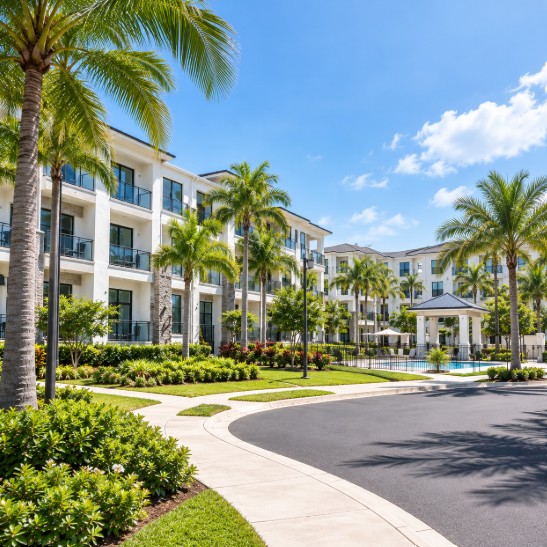
What Is a Property Turnover Inspection?
A property turnover inspection evaluates and documents the condition of a property and its common elements as responsibility transitions from the developer to the association. For Florida condominiums, developer turnover is governed by F.S. §718.301, which includes requirements for turnover inspection reports.
For Developers: Meet Your Condominium Turnover Requirements
Preparing for condominium turnover means making sure the required inspection and reporting are properly completed. Our engineers evaluate applicable property and systems, document their condition, and prepare the required turnover inspection report to help keep the transition on track.
For Associations: Know What You’re Inheriting
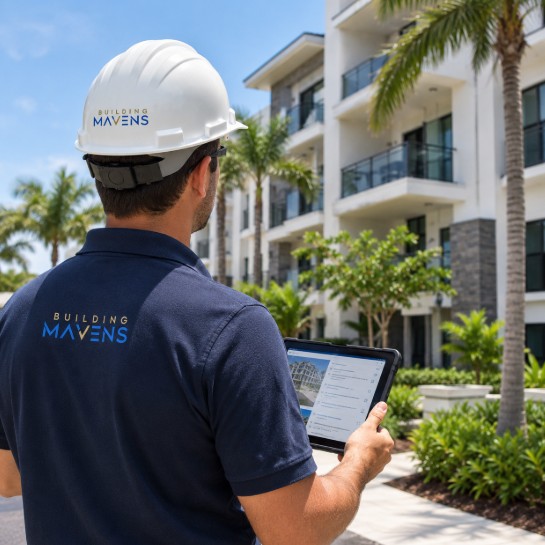
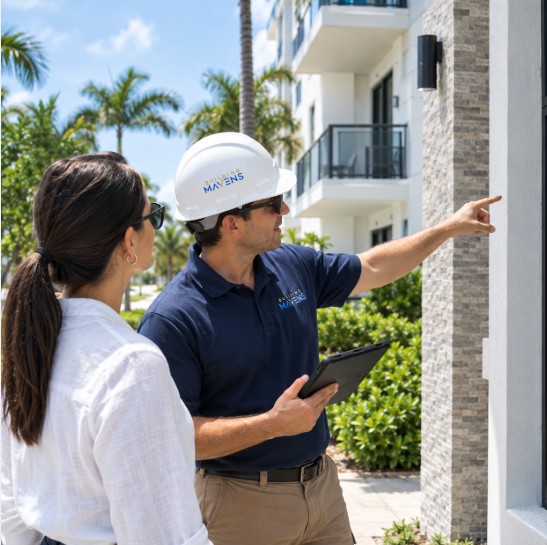
Before your association takes responsibility, you need to know what you’re actually receiving. Our engineers independently inspect the common property and systems, document potential construction deficiencies, and help identify what should be addressed with the developer before those issues become the association’s responsibility.
“The entire process was efficient from start to finish, with quick scheduling, a professional team, and outstanding communication throughout. They were always available to answer questions and made the process easy to navigate.”
— Elizabeth A., Cushman & Wakefield
Your Property Turnover Inspection Process
We keep the turnover inspection process clear and organized, from reviewing the property and available documents through inspection and evaluation to a clear, professionally prepared turnover inspection report.
Our Process
1. Understand the Property and Turnover Scope
We start by understanding the property, where you are in the turnover process, and what needs to be evaluated. Our engineers review available plans, specifications, previous reports, and other relevant project documents before the inspection.
2. Inspect the Property and Common Elements
Our engineers inspect the applicable buildings, common areas, and systems. Depending on the property and scope, this may include structural components, roofs and façades, waterproofing, drainage, roads and sidewalks, electrical and mechanical systems, amenities, and other common elements.
3. Document and Evaluate the Findings
We document the conditions observed during the inspection with photographs and supporting information where appropriate. Our engineers evaluate the findings to identify what needs attention and whether additional investigation may be required.

4. Deliver Your Turnover Inspection Report
You receive a clear, professionally prepared turnover inspection report documenting the condition of the property and our findings. We explain what matters and what comes next, so you have the information you need to move through the turnover process with clarity and confidence.
Be Prepared for a Successful Property Turnover
Your turnover inspection report gives you a clear understanding of the property, what needs attention, and what comes next. This way, you can move through the transition well prepared and with confidence.
Recent Property Turnover Projects

Amrit Ocean Resort II Condominium
Riviera Beach, FL | 2025-2026
For this 20-story mixed-use oceanfront condominium, Building Mavens prepared a Developer Turnover Report evaluating major building systems and common elements, including structural, electrical, plumbing, waterproofing, elevators, roofing, and shared amenities, to support the transfer of association control.

Cornerstone Jupiter
Jupiter, FL | 2025
For this newly constructed condominium property in Jupiter, Building Mavens completed a Developer Turnover Report and Structural Integrity Reserve Study (SIRS), combining an evaluation of major building systems with long-term reserve planning to support the transition to association control.

Sandpiper Pointe
Deerfield Beach, FL | 2024
For this residential community, Building Mavens independently evaluated improvements constructed by the developer, including the clubhouse, pool, roadways, sidewalks, entrance features, and drainage systems, identifying construction deficiencies and helping the association understand the condition of the property it was inheriting.

Brystol at Wylder
Port St. Lucie, FL | 2026
For this 158-acre residential community, Building Mavens evaluated developer-built common property including the clubhouse, pool, recreational amenities, roadways, sidewalks, drainage, and utilities, identifying construction defects and deviations to help the association understand what needed attention at turnover.
Why Clients Trust Building Mavens
The Right Turnover Approach Depends on Your Situation
There isn’t one standard turnover inspection that applies to every property or every client. Who you represent, the type of association, and what happens after issues are found all affect the right approach.
Developer Reporting vs. an Independent Association Assessment
A developer turnover report and an association’s independent turnover inspection serve different purposes. For a condominium developer, the inspection and reporting form part of the statutory turnover requirements under F.S. §718.301. For an association, the focus is independent verification: documenting the condition of the property and establishing a clear record of significant deficiencies that may need further investigation or action.
Condominium and HOA Turnover Are Not the Same
Florida’s turnover requirements depend on the type of association. Condominium turnover falls under Chapter 718, while HOA transition of control is addressed separately under Chapter 720. That distinction matters when determining what is required and how the inspection scope should be structured.
When Construction Defects Need to Go Further
Finding a deficiency doesn’t automatically mean a legal dispute. Many issues can be documented and addressed with the developer during the turnover process. When construction defects do require a formal claim, Florida Chapter 558 establishes the pre-suit process. Clear engineering documentation can help the association and its legal counsel understand the issues and determine how to proceed.
A What Our Clients Say About Us
“The entire process was efficient from start to finish, with quick scheduling, a professional team, and outstanding communication throughout. They were always available to answer questions and made the process easy to navigate.””
“Scott, Corey, Nick and the entire team were professional, knowledgeable, and responsive throughout the process. We truly appreciate their support and would recommend Building Mavens for engineering services.”
“Building Mavens administrative staff and engineers displayed the utmost professionalism. Questions and concerns asked by the Association’s Board of Directors or Management were responded to promptly.”
“Corey Pruneski from Building Mavens was an absolute pleasure to work with. The consummate professional. Courteous, knowledgeable, and highly efficient. My contractor would echo the same sentiment. Highly recommend to anyone going through 40 year or Milestone Inspections!”
Frequently Asked Questions About Property Turnover Inspections
Ideally, start the conversation before the turnover date so there is enough time to understand the property, review available documents, complete the inspection, and address any findings without unnecessary last-minute pressure.
For associations in particular, getting started early gives you more time to understand what you’re taking responsibility for and raise significant concerns with the developer.
The scope depends on the property and the purpose of the inspection. It may include structural components, roofs and façades, waterproofing, drainage, roads and sidewalks, electrical and mechanical systems, pools, clubhouses, recreational amenities, and other common property. We establish the appropriate scope with you before the inspection begins.
Available construction drawings, specifications, warranties, previous inspection or engineering reports, repair records, and other relevant property documents can help our engineers better understand the property before going on site.
Don’t have everything? That’s okay. We can discuss what is available and what will be useful for your particular inspection.
It depends on the size and complexity of the property and the inspection scope. A single condominium building and a large community with multiple buildings, roads, drainage systems, and amenities require very different levels of evaluation.
Once we understand your property and turnover needs, we can give you a clearer picture of the expected scope and timeline.
We clearly document significant findings and explain what they mean and what may need to happen next. If an issue requires a closer look, our engineers can perform additional investigation to help identify the root cause and determine what needs to be repaired.
The findings can then be used to help address the issue with the developer or other responsible parties and, when necessary, support discussions with legal counsel.
Yes. If findings require additional engineering evaluation or investigation, our team can continue supporting you after the initial inspection.
What happens next depends on the issue and your needs, so we’ll help you understand the appropriate next step rather than leaving you with a report and unanswered questions.
Tell us about your property, whether you’re approaching turnover as a developer or association, and where you are in the process. We’ll discuss your needs, determine the appropriate inspection scope, and prepare a proposal for your property.
Tell us about your building
Tell us about your building and engineering needs below, and we’ll get back to you within 48 hours to discuss the best next step.
* We don’t share your personal info with anyone. Check out our Privacy Policy for more information.