
In this article: What can really be wrong in a brand-new community? We share real findings from property turnover inspections and what associations should look out for before taking responsibility from the developer.
Everything is new. The roads are paved. The clubhouse is finished. The roofs were recently installed. The developer obtained permits and the buildings passed inspections.
So what could really be wrong?
More than many association boards expect.
During property turnover inspections, our engineers have found problems involving roofing, waterproofing, façades, drainage, roadways, sidewalks, electrical systems, and other common elements in relatively new communities.
That doesn’t mean every imperfection is a construction defect. And the goal of a turnover inspection isn’t to create the longest possible punch list.
The real question is much more important:
What is the association actually inheriting from the developer?
What a property turnover inspection is really about
When someone buys a home, hiring a home inspector feels natural. You want to understand the condition of what you’re purchasing before taking responsibility for it.
We often compare property turnover for an association to that same process—only on a much larger scale.
At turnover, an association becomes responsible for common property and systems that can include roofs, façades, roads, sidewalks, drainage, gates, pools, clubhouses, landscaping, and electrical and mechanical equipment.
A property turnover inspection gives the association a clear picture of what it is taking over. Depending on the property and scope, we compare what we see in the field with construction drawings, codes, specifications, industry standards, and manufacturer requirements. If something doesn’t match, isn’t working as intended, or needs a closer look, we document it.
In other words, looking finished isn’t the same as being built and functioning as intended.
New doesn’t mean defect-free
One question we often hear from associations is understandable:
“Didn’t the building department approve it? Didn’t the contractor build it per spec?”
A newly completed community may look great during a walkthrough. But “new” doesn’t automatically mean everything was built exactly as intended. With so many trades, materials, and systems involved in construction, things can (and do) go wrong.
In relatively new properties, we’ve found issues involving major systems such as roofing, waterproofing, and stucco façades. Some of those problems can turn into major repairs if the cause isn’t identified and corrected.
And sometimes we find the opposite: something looks like a construction defect, but it isn’t. At one property, for example, damaged curbs showed signs of vehicle impact rather than defective construction.
Take something as simple as drainage. At one community, our engineers found valley gutters next to drainage inlets that were back-pitched: sloping away from the inlet instead of toward it.
To someone walking the property, the drainage system was there. The inlet was there. The pavement was finished.
But water doesn’t care whether something looks finished. If the slope sends it in the wrong direction, the system may not work as intended.
That’s the kind of detail a turnover inspection is designed to catch.
But is it actually a construction defect?
This is where professional judgment becomes important.
Seeing something cracked, damaged, or not working properly doesn’t automatically make it a developer construction defect.
We need to understand why it’s happening.
Our engineers look at questions such as:
- Does it meet the applicable code?
- Does what was built match the approved drawings and specifications?
- Was it installed according to the manufacturer’s requirements?
- Does it meet applicable industry standards?
- Is the system working the way it should?
- Could the problem instead be the result of damage, normal use, or lack of maintenance?
One distinction that’s especially important during developer turnover is the difference between a construction defect and a maintenance issue.
A construction defect starts with how something was built. Maybe it doesn’t meet the drawings, specifications, or code, or it wasn’t installed correctly in the first place.
Maintenance is different. It’s the ongoing work needed to keep a properly built system working as it should.
And good maintenance can’t fix an underlying construction defect.
That distinction works both ways. During one turnover inspection, for example, our engineers observed damaged curb sections. The damage pattern and tire marks were consistent with vehicle impact, rather than a problem with how the curbs were originally built.
A good turnover inspection isn’t about labeling everything the developer’s fault. It’s about giving the association a clear, well-supported picture of what it’s actually receiving.
BUILDING MAVENS
Questions about your building’s next step?
Get clarity from a licensed engineer. Share your name and email, and our team will follow up to help you understand your inspection requirements and options.

What you see isn’t always the root cause
Sometimes the initial inspection tells us there is a problem, but not why it’s happening.
At one relatively new property, we inspected a roof that was nearly detached in multiple areas. At first, there were other possible explanations: had recent hurricanes caused the damage? Was it maintenance? Was it simply something that had happened over time?
Further investigation and roof surveys told a different story. We found an underlying problem with how the substrate had been attached. Ultimately, the roof had to be replaced.
Real findings from our turnover inspections
Here are four examples of conditions our engineers documented during actual property turnover inspections.
Asphalt depression
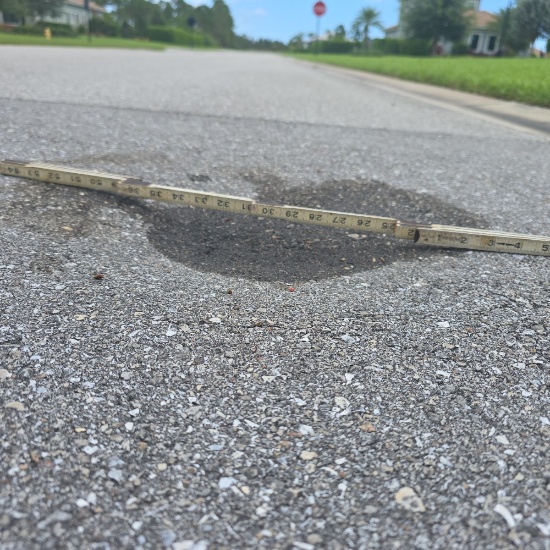
Roadway depression
Sidewalk tenting
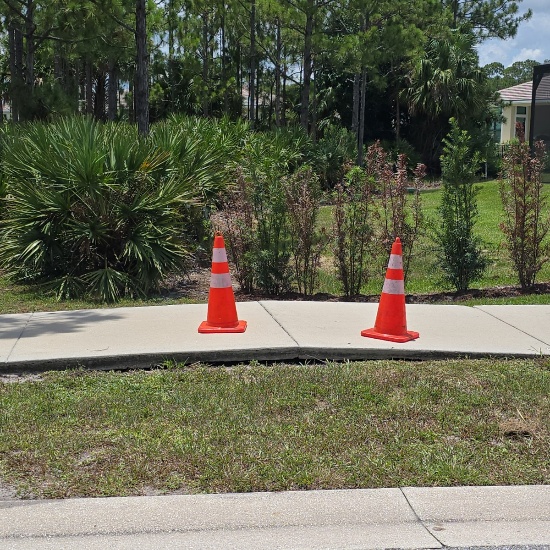
Raised sidewalk / trip hazard
Compromised attic
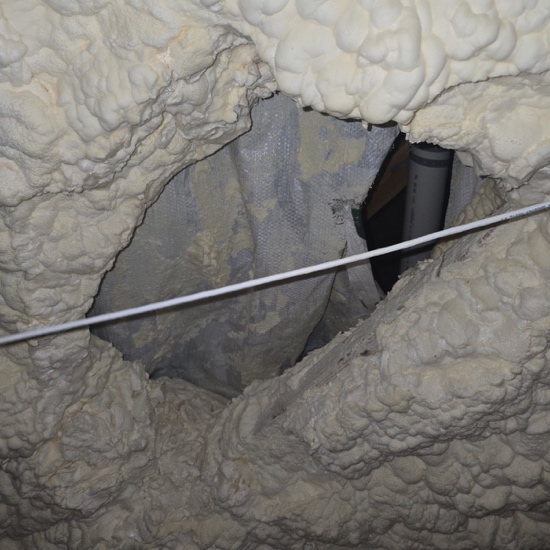
Compromised attic insulation
Hot-water piping leak
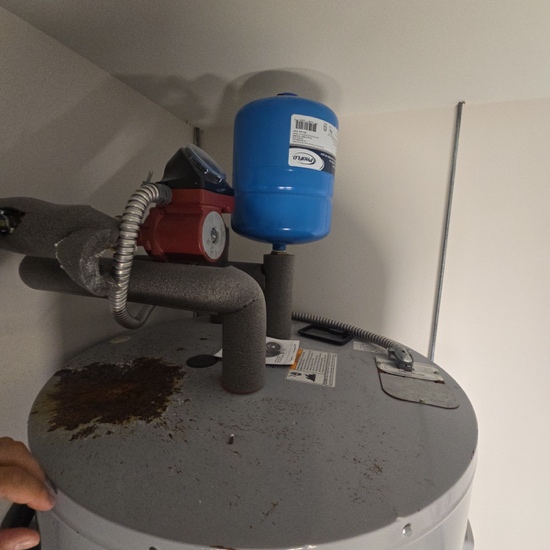
Leak at hot-water recirculation piping
Asphalt depression
Roadway depression
Sidewalk tenting
Raised sidewalk / trip hazard
Compromised attic
Compromised attic insulation
Hot-water piping leak
Leak at hot-water recirculation piping
That’s why finding the problem is sometimes only step one. Finding out why it happened can be just as important.
When we find a potentially significant issue, we need to understand the cause, whether a closer investigation is needed, and what it will take to correct it.
A turnover inspection report shouldn’t just be a giant punch list
It’s easy to judge a turnover inspection report by the number of findings it contains. Fifty findings must be better than twenty, right? Not necessarily.
A minor finish issue and a waterproofing problem that affects an entire system shouldn’t carry the same weight simply because both take up one line on a list.
What matters is knowing which findings are important, why they happened, what needs to be done about them, and having the documentation to back that up.
And when we find a significant problem, our involvement may not end when the report is delivered.
A good turnover inspection isn’t a one-and-done report.
The next step may be further investigation, working with the developer and contractors on a repair approach, or bringing in the association’s attorney. In more serious disputes, expert testimony may eventually be needed.
But the ideal outcome doesn’t have to be a dispute.
We’ve seen the process work exactly as you would hope. On projects where we identified significant structural, waterproofing, and façade problems, the professionals on both sides were able to agree on how the repairs should be made. The responsible parties completed the work instead of leaving the association to inherit the problem.
That’s a very different outcome from simply handing a board a long checklist and walking away.
BUILDING MAVENS
Questions about your building’s next step?
Whether you’re addressing an immediate concern or planning ahead, our licensed engineers can help you understand your property’s needs, determine the right next steps, and move forward with confidence.
 Licensed engineers. Clear guidance. South Florida expertise.
Why timing matters at developer turnover
There’s another reason not to treat the turnover inspection as something that can simply be dealt with later.
Conditions change: landscaping changes. Components deteriorate. Damage occurs. Maintenance responsibilities shift.
That’s why we recommend inspecting and documenting the property around developer turnover. It creates a clear record of what the association actually received.
Imagine that a problem is first formally documented a year later. Was it already there when the developer handed over the property? Did it develop afterward? Was the required maintenance performed during that year? Did lack of maintenance contribute to the problem?
Those questions become much harder to answer as time passes.
A timely turnover inspection creates something extremely valuable: a documented baseline of what the association received at turnover.
Six months from turnover? Start now.
You don’t need to wait until the day control changes hands to start preparing. If your association expects developer turnover within the next three to six months, use that time proactively.
Start by:
- Keeping records of issues that have already been reported to the developer.
- Keeping emails and other correspondence with the developer organized, especially around known issues.
- Documenting conditions that residents or board members are already noticing.
- Getting clear on the expected turnover timeline.
- Interviewing engineering firms before the inspection becomes urgent.
- Asking firms about their turnover experience, reviewing sample projects, and finding out who will actually inspect your property and stand behind the findings.
Most importantly, don’t think of turnover as just a date on the calendar.
The association is taking responsibility for real physical assets: assets its members will have to maintain, repair, and eventually replace.
The purpose of a property turnover inspection is to understand what you’re inheriting, what needs attention, and what should be addressed before today’s construction issue becomes tomorrow’s association expense.
Property Turnover FAQ
Developer Turnover is the transfer of control of residential associations from developers to homeowners. In Florida, this process is regulated for Condominiums by statute 718.301 – transfer of association control; claims of defect by association. The statute requires developers to turn over control of the board of directors to homeowners when a certain threshold of units within a condominium has been sold to non-developer homeowners. Moreover, developers are required to provide associations with specific documents and reports, including an engineering report. The engineering report is a critical document that identifies and attests to the required maintenance, useful life, and replacement costs of specific applicable common elements, based on an inspection by a Florida Registered Architect or Florida licensed Professional Engineer.
Unlike the Developer Turnover Report required by Florida Statute 718, the condominium owner’s Association (COA) may choose to perform their own evaluation of the property and produce a report identifying alleged construction defects for a claim pursuant to Florida Statute 558 (Chapter 558 Construction Defects). Like the Turnover Inspection Report, the report must be prepared by a Florida Registered Architect or Florida licensed Professional Engineer. Unlike the Turnover Inspection Report, the Property Turnover Report identifies the location of the alleged defects, explains the issue and potential impact, and provides a recommendation for either further investigation or repair.
A property turnover assessment evaluates a building’s condition before it changes ownership or management, identifying needed repairs or maintenance. This ensures the new owner or manager is fully informed about the property’s state and any issues or repairs required, potentially avoiding disputes and ensuring the property’s value is accurately represented.
We provide a detailed report with findings that identify and attest to the required maintenance, useful life, and replacement costs of the applicable Condominium common elements. This includes photographs, descriptions of conditions, and recommendations for repairs or improvements.
About the Author
 Scott Harvey-Lewis is the owner and President of Building Mavens, a leading Milestone Inspections and Engineering Consulting firm right here in Palm Beach Gardens, Florida. With over 18 years of experience as a forensic engineer, Scott brings a wealth of knowledge and a passion for ensuring the safety and integrity of buildings. He holds a master’s degree in civil engineering from the University of Florida and a bachelor’s degree in civil engineering from the Florida Institute of Technology. He is also a Licensed Professional Engineer in Florida and a LEED Accredited Professional.
Scott’s background is extensive, covering both public and private projects. He’s highly skilled in structural engineering design, construction oversight, and forensic analysis. This includes investigating structural failures, construction defects, and code compliance – all critical to maintaining safety and adhering to building codes. Beyond his investigative work, Scott is also an accomplished design engineer, contributing to various architectural elements from building envelope systems to designs for a wide range of structures. From the initial concept to the final inspection, Scott is dedicated to providing innovative and compliant engineering solutions.
You can contact me directly for more information: info@buildingmavens.com.