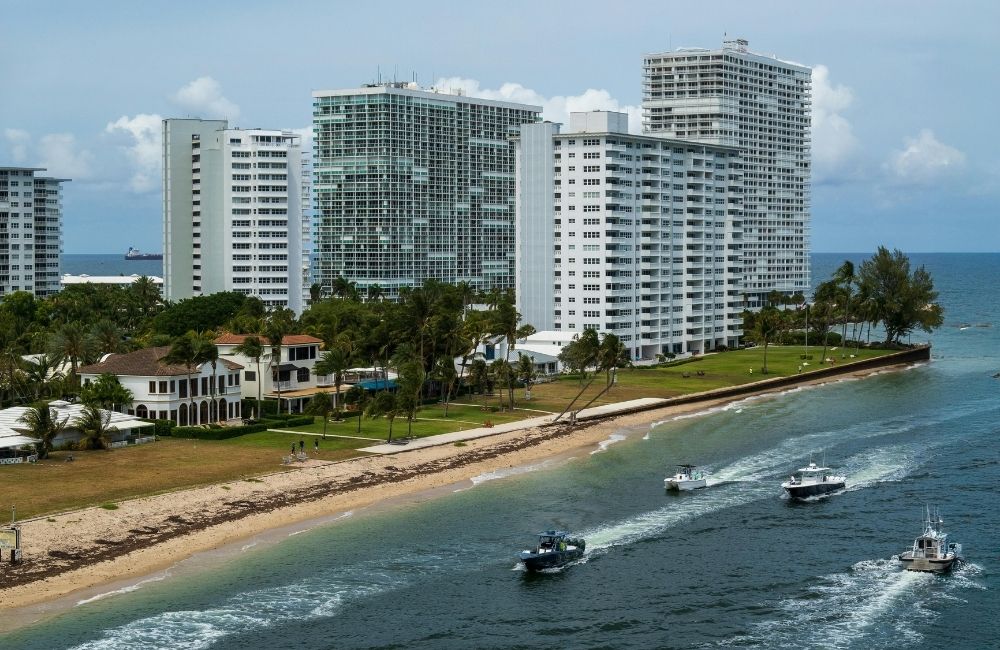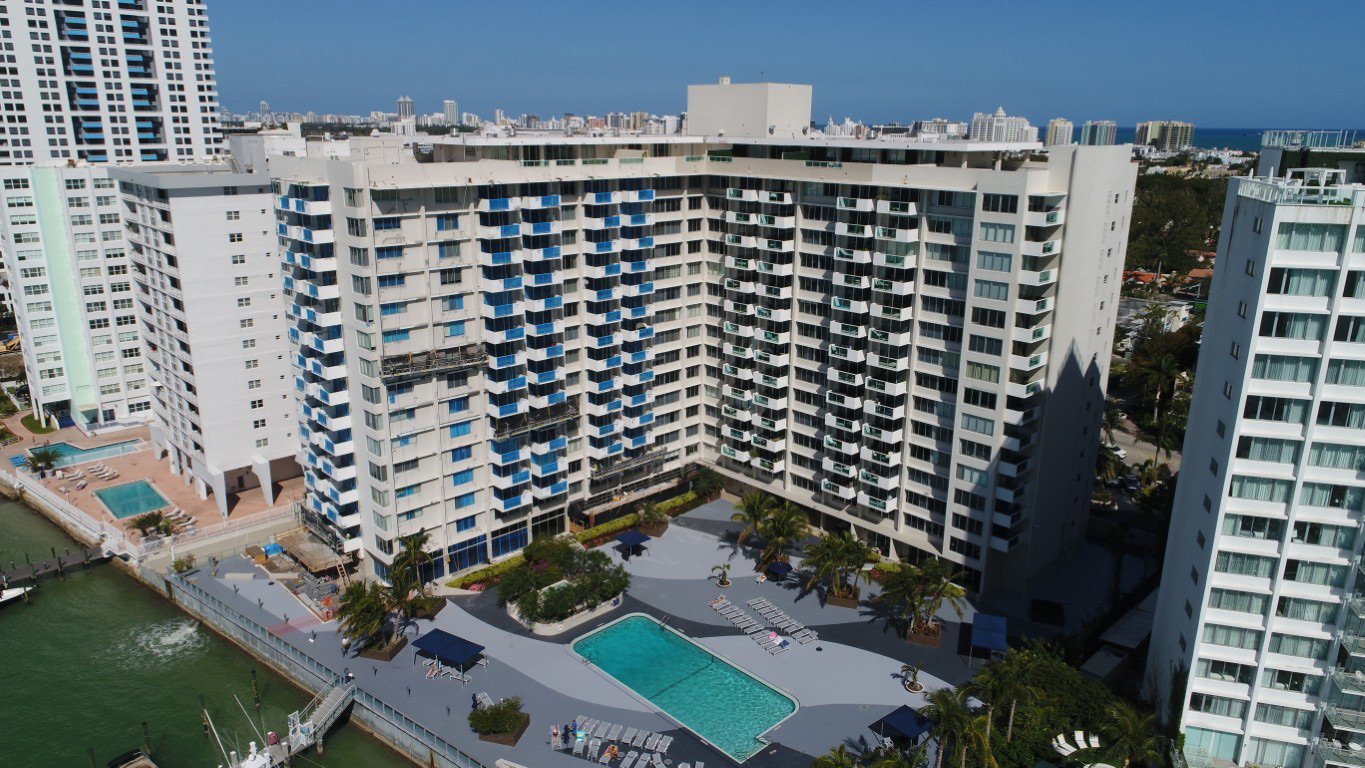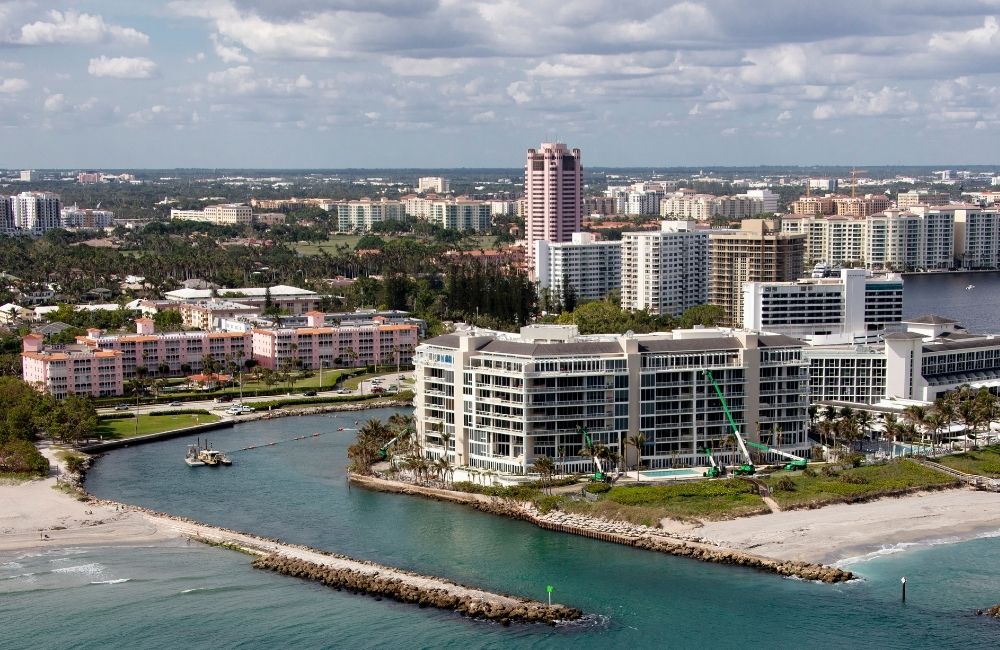

In this article: we walk through a Florida building recertification site visit and explain how engineers classify findings as pass, monitor, or fail during structural and electrical safety inspections. We cover the core conditions we look for in the field, along with how those observations guide next steps like documentation, follow-up planning, or corrective action.
Whether we’re performing a milestone inspection under Florida Statute 553.899 or a local building safety and recertification inspection for residential or commercial properties, one thing stays the same: We arrive on site to understand how a building is really holding up.
We often think of these building safety inspections as a top-to-bottom health check. Not a hunt for perfection, and not a box-checking exercise, but a thoughtful look at whether a building remains safe for continued use as it ages.
In this article, we’re taking you along on a typical site visit. You’ll see what our structural and electrical engineers notice in the field and how everyday observations turn into three outcomes: conditions that pass, conditions that fail, and conditions that aren’t a problem yet but deserve attention over time.
What We Look for During a Structural Safety Inspection
Once we’re on site, the structural inspection is primarily visual. We’re not judging appearances or modern design standards; we’re focused on how the structure is performing today and whether there are visible signs of deterioration that could affect safety.
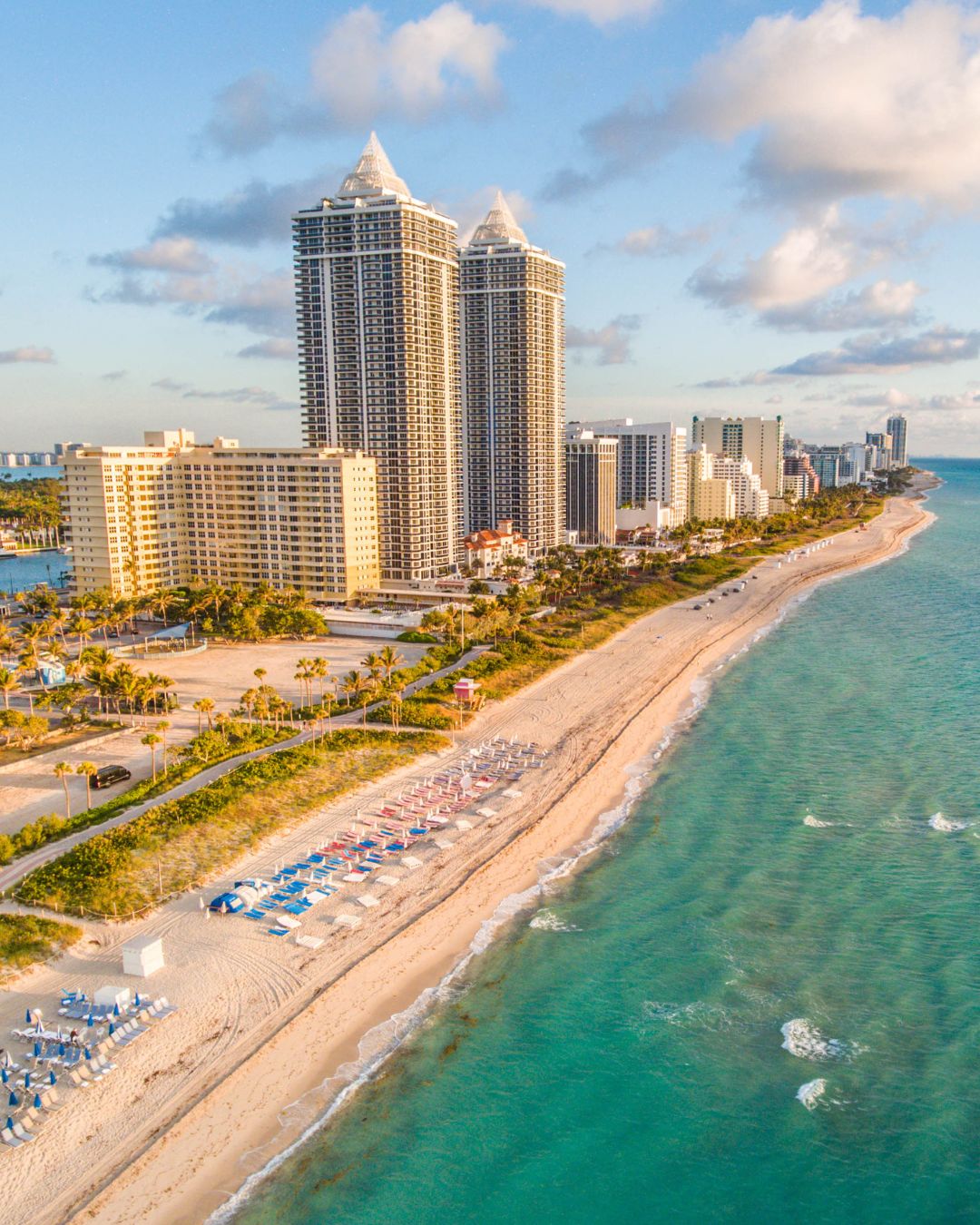
Florida’s climate does a lot of quiet work on buildings. Heat, humidity, salt air, and wind slowly find their way into concrete and steel, often long before there’s anything dramatic to see. That’s why our attention goes to things like concrete distress, corrosion, cracking, water intrusion, and subtle signs of movement—patterns that tell us how the structure is aging over time.
If your building is due for inspection, there’s no need to worry. We don’t arrive on site expecting major problems. Most inspections confirm that buildings are generally doing what they were designed to do. Our job is to recognize the difference between normal aging and conditions that deserve closer attention.
How We Distinguish Between Passing, Monitoring, and Failing Conditions
Not every observation fits neatly into the pass or fail category. Quite often, we come across conditions that simply need to be kept on our radar: early signs of wear or exposure that aren’t unsafe today but could become an issue over time if left unchecked.
When that happens, we don’t raise alarms. We document what we see, explain why it matters, and keep it in view so it can be maintained, followed up on, and re-evaluated during future inspections. This is how small issues stay small.
A fail, on the other hand, is harder to ignore. These are conditions where deterioration is clearly active or progressing—signs that performance may already be affected and that further evaluation or corrective action is needed before the building can reasonably be considered safe for continued use.
This way of working is deliberate. Structural inspections aren’t about forcing repairs or creating urgency where it doesn’t belong. They’re about understanding what’s holding steady, what deserves attention, and what truly requires action. Many conditions we monitor also feed into longer-term planning tools like a Structural Integrity Reserve Study, helping owners address issues within the proper timeframe and ensure funding is available when work is eventually needed.
Curious to see some pass and fail examples we’ve come across?
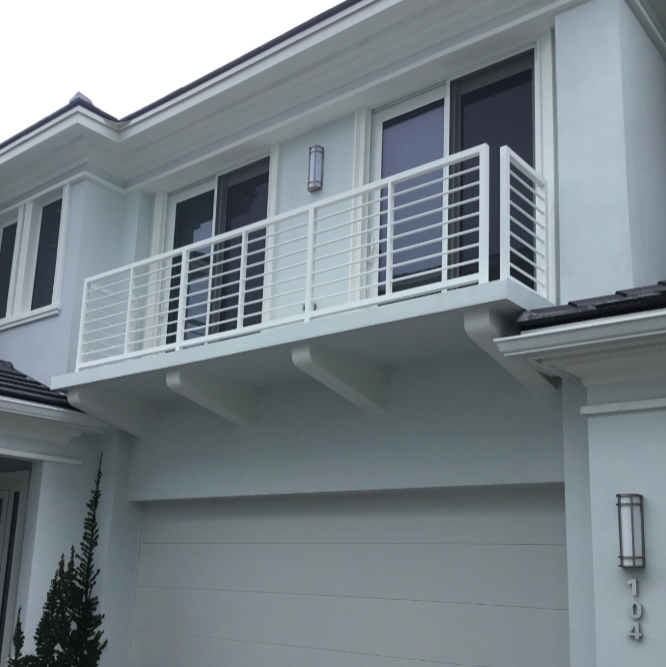
Structural Pass: Balcony in Good Condition
This balcony looks clean for a reason. We don’t see cracking at the slab edge, rust staining, or distress at the connections, which tells us there are no visible signs of active deterioration at this time. In Florida’s coastal environment, balconies are especially vulnerable, so intact edges and connections stand out as a positive sign.
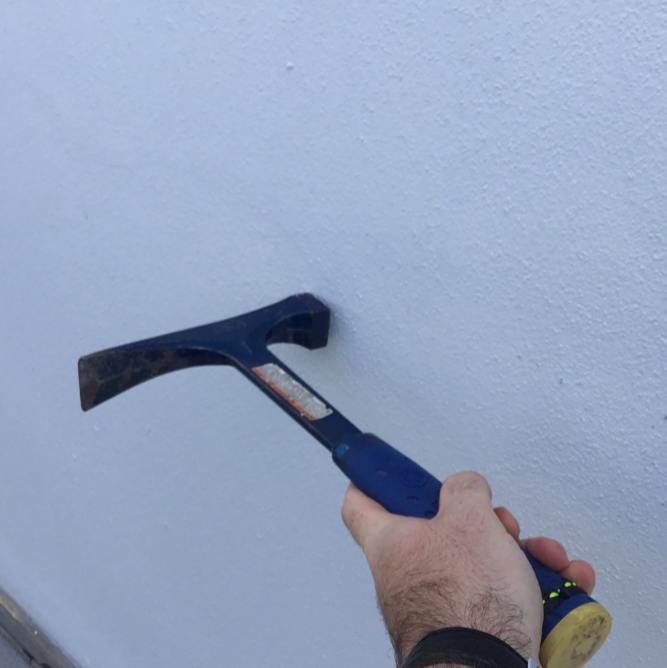
Structural Pass: Concrete Sounding
Concrete sounding helps confirm what visual observations suggest. A solid, consistent response indicates the concrete is well bonded, with no obvious delamination in the tested areas. This method allows us to gather useful information without damaging the structure.
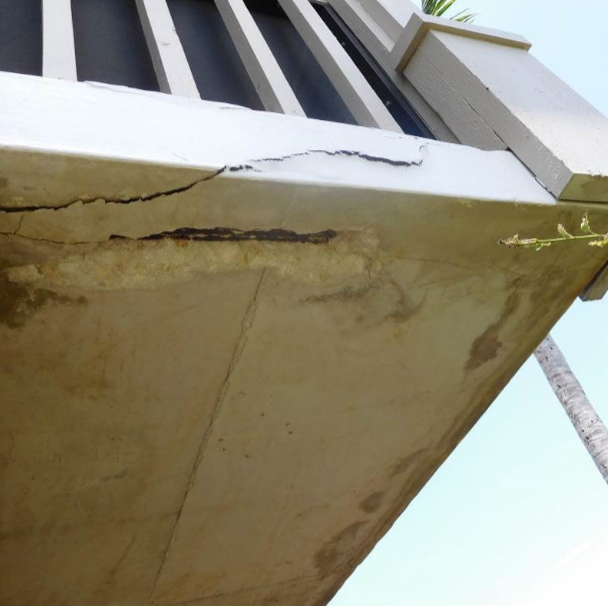
Structural Fail: Balcony Cracking and Rust Stains
Cracks along the slab edge might look minor at first glance, but the rust staining tells a bigger story. These are common indicators that water is reaching the reinforcing steel and driving ongoing deterioration. Cracks at slab edges are particularly concerning because they provide a direct path for moisture to reach the steel.
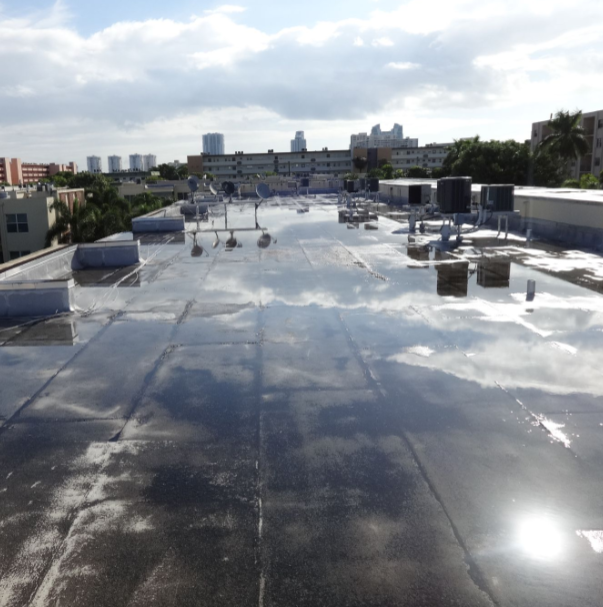
Structural Fail: Roof Surface Deterioration
Widespread surface breakdown on a roof typically points to prolonged moisture exposure. When deterioration is this extensive, it often signals that the protective layers are no longer performing as intended. At this stage, visual inspection alone may no longer tell the full story.
Structural Pass: Balcony in Good Condition
This balcony looks clean for a reason. We don’t see cracking at the slab edge, rust staining, or distress at the connections, which tells us there are no visible signs of active deterioration at this time. In Florida’s coastal environment, balconies are especially vulnerable, so intact edges and connections stand out as a positive sign.
Structural Pass: Concrete Sounding
Concrete sounding helps confirm what visual observations suggest. A solid, consistent response indicates the concrete is well bonded, with no obvious delamination in the tested areas. This method allows us to gather useful information without damaging the structure.
Structural Fail: Balcony Cracking and Rust Stains
Cracks along the slab edge might look minor at first glance, but the rust staining tells a bigger story. These are common indicators that water is reaching the reinforcing steel and driving ongoing deterioration. Cracks at slab edges are particularly concerning because they provide a direct path for moisture to reach the steel.
Structural Fail: Roof Surface Deterioration
Widespread surface breakdown on a roof typically points to prolonged moisture exposure. When deterioration is this extensive, it often signals that the protective layers are no longer performing as intended. At this stage, visual inspection alone may no longer tell the full story.
What We Look for During an Electrical Safety Inspection
In counties like Miami-Dade, Broward, and Palm Beach, electrical systems are reviewed as part of local building safety inspection programs.
We’re not focused on whether an installation meets the latest modern standards. What matters is whether the condition of the existing equipment protects occupant safety or puts it at risk.
That means looking for signs of corrosion, moisture exposure, damaged enclosures, missing protection, or emergency systems that don’t function as intended.
As with structural inspections, most electrical systems we encounter are generally stable. The distinction comes down to whether conditions are acceptable, should be monitored, or point to a clear safety concern that requires corrective action.
The examples below show how those differences appear in real buildings.
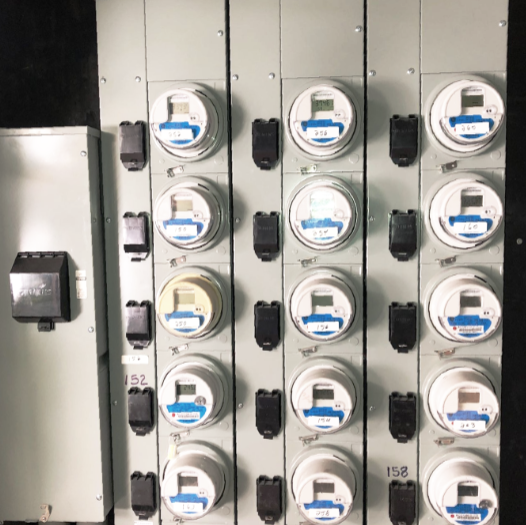
Electrical Pass: Organized Meter Bank
This is what a well-maintained electrical installation looks like. Clean equipment, clear labeling, and intact enclosures make systems easier to inspect and safer to operate. Good organization also allows inspectors to evaluate conditions without disturbing live components.
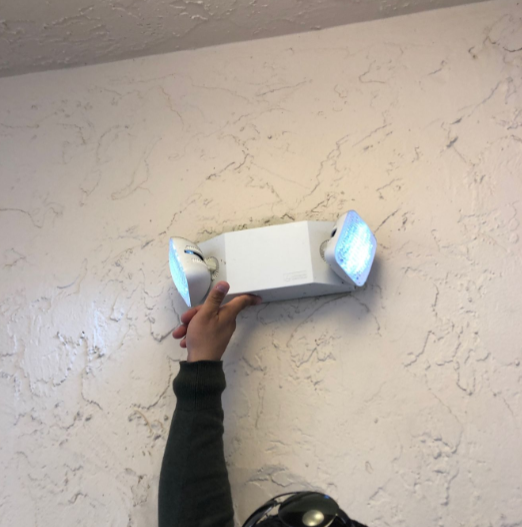
Electrical Pass: Emergency Lighting Working
Emergency lighting is tested to ensure it activates when normal power is lost. When units respond reliably, they provide confidence that exit paths will remain visible during an outage. These systems often sit idle for long periods, which is why testing is an important part of inspections.
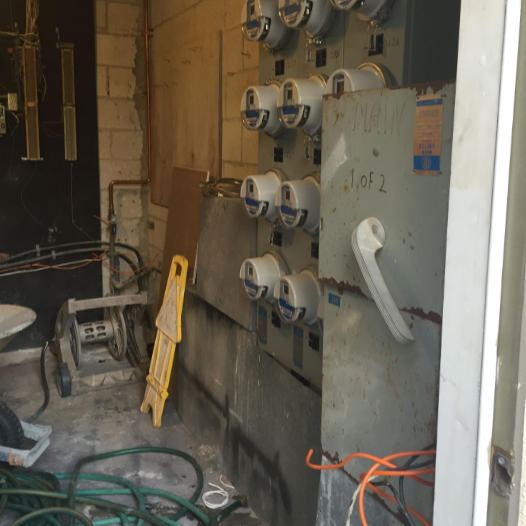
Electrical Fail: Corroded Electrical Room
Corrosion and clutter don’t belong in electrical spaces. These conditions increase the risk of equipment failure and make safe inspection and maintenance more difficult. In electrical systems, corrosion can interfere with connections and raise the risk of overheating.
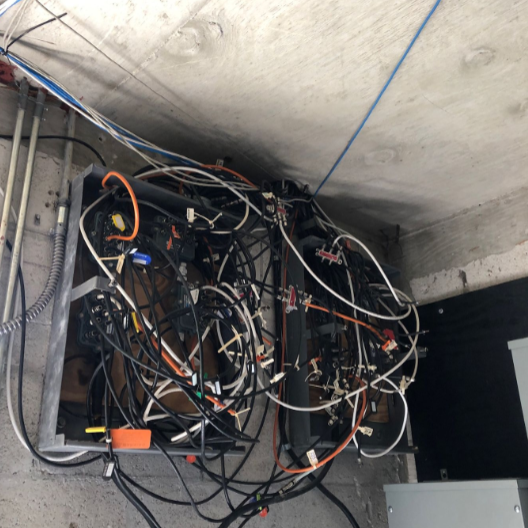
Electrical Fail: Unmanaged Wiring
This kind of wiring arrangement is a clear red flag during a visual inspection. Unsupported and tangled conductors are more vulnerable to damage and harder to evaluate safely. Disorganized wiring also increases the chance that issues go unnoticed until a failure occurs.
These examples show what our recertification engineers are really looking for on site: not perfection, but clear signs of how a building is aging and whether it remains safe for continued use.
Milestone Inspection or Building Recertification Inspection Coming Up?
Whether you’re preparing for an upcoming Milestone Inspection or planning ahead for a Building Recertification or BSI, having a clear, reasonable assessment makes all the difference.
At Building Mavens, we’re committed to providing top-tier inspection services that adhere to the highest standards of safety and quality.
If you’d like to learn more about how we approach building safety inspections, don’t hesitate to reach out to us.
FAQs: Building Safety & Recertification Inspections
In many cases, yes. Most qualifying commercial buildings and condominium or co-op buildings in South Florida are required to undergo a Building Safety or Recertification Inspection once they reach a certain age, typically 25 or 30 years, depending on the county or city. If you’re unsure how the rules apply to your building, we can quickly help you determine what’s required.
The timeline depends on your building type, location, and whether follow-up actions are required. In general, the inspection itself is completed efficiently, and we help keep the overall process moving by providing clear reporting, guidance on next steps, and support through submission to local authorities.
If deficiencies are identified, we clearly outline what needs to be addressed and what can wait. Where applicable, we help you understand required repairs and whether a permit is needed, coordinate re-inspections, and support you through the approval process, so you’re never left guessing or dealing with unnecessary work.
Yes. Our role doesn’t end with the inspection report. We stay involved to help you navigate follow-up actions, clarify requirements, and support submission and review with local authorities, making the process as smooth and predictable as possible.
In most cases, buildings can remain occupied during the inspection process. If repairs are required, we help clarify which items are critical and how they can be addressed with minimal disruption, while remaining compliant with local requirements.
Absolutely. Recertification requirements vary by county and city, and we tailor each inspection to the local rules that apply to your building. Our team is deeply familiar with South Florida jurisdictions, helping ensure submissions are accurate and aligned with local expectations from the start.
The first step is a short consultation. We’ll review your building type, location, and timing requirements, then outline the appropriate scope and next steps. From there, we can provide a clear path forward and a tailored proposal.
About the Author
 Scott Harvey-Lewis is the owner and President of Building Mavens, a leading Milestone Inspections and Engineering Consulting firm right here in Palm Beach Gardens, Florida. With over 18 years of experience as a forensic engineer, Scott brings a wealth of knowledge and a passion for ensuring the safety and integrity of buildings. He holds a master’s degree in civil engineering from the University of Florida and a bachelor’s degree in civil engineering from the Florida Institute of Technology. He is also a Licensed Professional Engineer in Florida and a LEED Accredited Professional.
Scott’s background is extensive, covering both public and private projects. He’s highly skilled in structural engineering design, construction oversight, and forensic analysis. This includes investigating structural failures, construction defects, and code compliance – all critical to maintaining safety and adhering to building codes. Beyond his investigative work, Scott is also an accomplished design engineer, contributing to various architectural elements from building envelope systems to designs for a wide range of structures. From the initial concept to the final inspection, Scott is dedicated to providing innovative and compliant engineering solutions.
You can contact me directly for more information: info@buildingmavens.com.