In this article: A practical guide for condo boards, community association managers, and property teams, built on official guidance and Florida condo requirements.
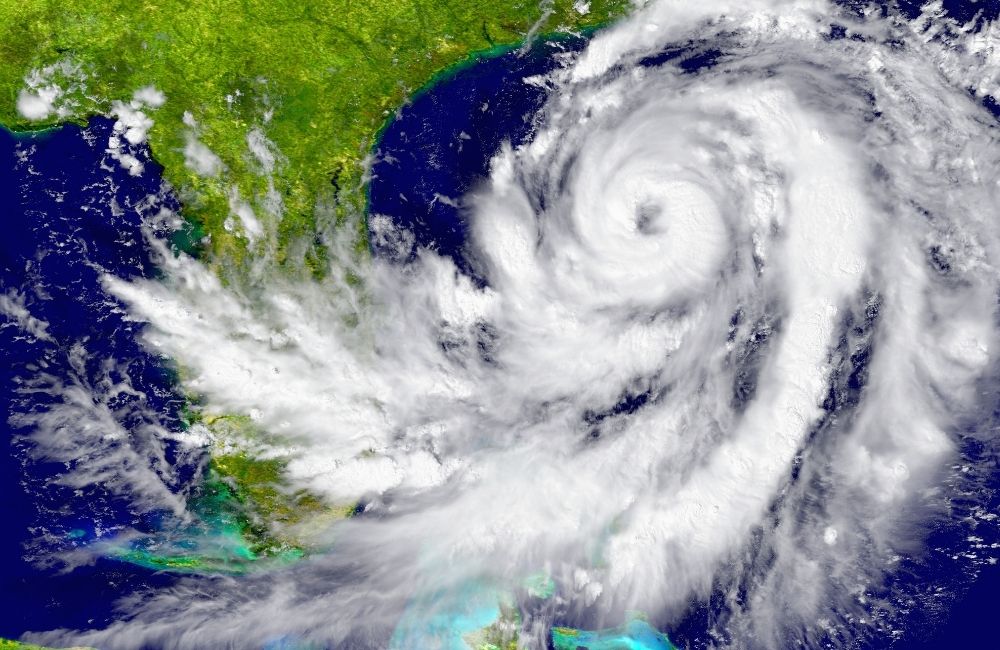
A hurricane isn’t just a “wind event.” In coastal Florida, it’s a multi-hazard scenario: storm surge and flooding, high winds, wind-driven rain, debris impacts, and often prolonged utility outages. Planning for only one hazard is how communities end up with preventable damage and chaotic recovery.
This playbook is designed to help your condominium reduce risk before, act decisively during, and recover with control after a hurricane.
Note: This guide is not legal or insurance advice. Always follow official orders and consult your legal counsel or insurance professionals for your specific situation.
Why hurricane planning is different for condos, especially in South Florida
Condo communities face a unique mix of factors: shared building systems, shared responsibility, and shared exposure. When conditions deteriorate, access can become restricted, vendors become scarce, and emergency response may pause until it’s safe. This means your building needs a plan that stays functional when the outside world doesn’t.
Official guidance is clear: Hurricanes bring storm surges, flooding, and dangerous winds. A condo plan must address all of them, plus the building realities of elevators, life-safety systems, and re-entry control. (Reference: Ready.gov – Hurricanes and NWS hurricane safety/planning.)
In many coastal condo buildings, some of the most expensive post-storm problems are not obvious structural failures, but prolonged water intrusion into walls, electrical areas, elevators, and building systems. That’s why preparation, documentation, and organized recovery matter long before a storm enters the forecast cone.
Before the hurricane: Know your risk and decision triggers
 Start with the basics, but make it condo-specific:
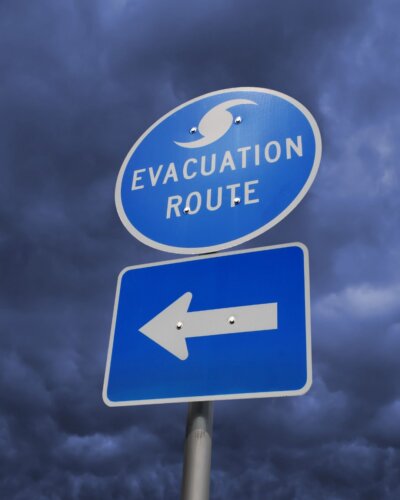
- Know your evacuation zone and where your county publishes evacuation orders and shelter information. (Florida’s official starting point: Florida Hurricane Guide / FDEM.)
- Understand your property’s likely hazards: storm surge exposure, flooding pathways, and wind-driven rain vulnerability. (See NWS hurricane planning.)
- Identify residents with special needs (medical devices, mobility limitations) and build a plan that doesn’t depend on last-minute elevator access.
Key principle: You want decisions to feel “boring” when the storm is close, because they were made while it was calm.
Board governance and compliance in Florida for hurricane preparedness
For Florida condos, hurricane readiness isn’t just a checklist. It’s governance. Boards should make sure building standards and decision authority are clear before a storm shows up in the cone.
Florida law generally requires condo boards/associations to adopt written hurricane protection specifications for each building (Florida Statutes §718.113).
What Florida condo hurricane protection specifications actually mean
These specifications spell out:
- What products owners are allowed to install (like specific shutter types or impact-rated systems)
- That any product must meet the applicable building code
- How it must be installed so it’s safe and won’t fail
- Basic appearance rules so the building stays consistent
- What paperwork owners must submit for approval
- How the association confirms the installation was done correctly
- Who maintains it long-term
Why this matters operationally (not just legally)
- It speeds up storm preparation because residents aren’t guessing.
- It reduces risky last-minute installations.
- It creates consistency before a storm and clearer documentation afterward.
Practical caveat: §718.113 also contains provisions that can limit the association from installing additional hurricane protection where qualifying protection already exists, unless certain approval conditions are met. Communities should coordinate with counsel before undertaking building-wide changes.
Emergency powers during a hurricane emergency
When a state of emergency is declared, Florida law gives condo associations certain emergency powers under Florida Statutes §718.1265. These powers can help boards act more quickly during a hurricane event, including making emergency repairs, coordinating protective measures, and responding to evacuation or safety needs when normal procedures may be too slow.
Board action (pre-season): Confirm:
- Who can approve emergency spending
- Who communicates resident instructions
- What decisions can be made quickly under your governing documents and applicable law
Compliance note: This is a general overview, not legal advice. Have association counsel confirm how these provisions apply to your community’s documents and current circumstances.
Insurance clarity: Wind is not flood
For many South Florida condo communities, the biggest post-storm surprises come from misunderstanding insurance coverage. Wind damage and flood damage are often handled differently under separate policies, which is why boards should review coverage details before hurricane season — not after.
For flood insurance, many condo associations rely on a policy structure from the National Flood Insurance Program (NFIP) called the Residential Condominium Building Association Policy (RCBAP). In simple terms, it’s a flood insurance framework designed specifically for condominium buildings and associations.
If you want a technical overview, FEMA provides the official RCBAP Standard Flood Insurance Policy (SFIP) document. For a more reader-friendly explanation, see the NFIP resource: Summary of Coverage — Residential Condominium Buildings.
Practical step: Create a single storm documentation file (digital and printed) with insurance paperwork, emergency contacts, vendor information, and claim-reporting steps. Confirm in advance who will report claims and who will document damage after a storm.
While this can’t guarantee coverage, organized documentation helps your community support repair needs and reduce disputes later.
Baseline documentation: the easiest way to reduce claim and repair disputes
Before hurricane season, create a simple visual record of your building’s current condition. Focus on common elements and areas most likely to be affected by water intrusion, flooding, or storm damage.
Document:
- Lobby and common areas
- Garage levels, drains, and known low points
- Electrical and mechanical rooms (from safe vantage points)
- Visible exterior conditions (where safely accessible)
- Roof conditions (documented by qualified personnel)
Practical tip: Use timestamped photos and short videos, and store them in your storm documentation file so management and the board can access them quickly after a storm.
Why it matters: After a hurricane, the first question from insurers, contractors, and engineers is usually the same: What changed? Baseline documentation helps your community answer that question faster, more accurately, and with greater credibility.
Emergency communications and coordination: your “calm in the storm” system
Even a strong hurricane plan can fall apart if communication is unclear or key vendors can’t be reached when conditions change quickly.
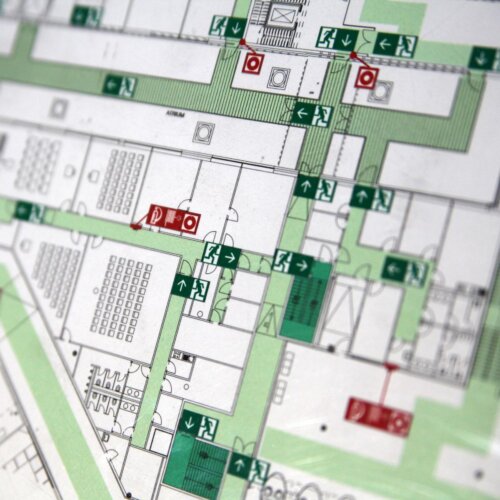 Before hurricane season:
- Decide how residents will receive updates (email, text alerts, building app, lobby notices, etc.) and use that system consistently.
- Send residents clear instructions ahead of time about hurricane protection requirements, preparation deadlines, parking rules, and what to expect if elevators or amenities are shut down.
- Keep an updated emergency contact list for management, security, elevator service, fire alarm vendors, restoration contractors, plumbers, electricians, and engineering support.
Practical tip: Don’t wait until a storm is approaching to look for vendor phone numbers or approval procedures. Store emergency contacts, vendor agreements, and resident communication templates in the same storm documentation file.
The goal of all this preparation is simple: when a storm approaches, your community should already know who decides what, how residents will be informed, and how conditions will be documented before and after impact.
During the hurricane: Life safety first
Once storm conditions begin, the focus shifts from preparation to safety. At that stage, the goal is no longer to “get ahead” of the storm, but to avoid unnecessary risk and stay informed until conditions improve.
Residents and staff should follow instructions from local authorities and emergency management agencies, including evacuation and shelter guidance.
As winds intensify, exterior response may become impossible or unsafe, which means building teams and vendors may have limited ability to address issues in real time.
Stay away from windows, glass doors, balconies, and exterior corridors during peak conditions, and don’t assume the storm has passed during temporary lulls in wind or rain. Hurricanes can still bring dangerous flooding, debris impacts, and rapidly changing conditions even after a brief calm period.
After the hurricane: The first 72 hours
Re-entry: Slow is smooth, smooth is fast
After a hurricane, there’s often pressure to reopen the building and “get back to normal” quickly. But the first hours after the storm are usually the most chaotic, and rushing re-entry can create safety risks and confusion that slow recovery down later.
Return only when local officials advise it is safe. Be alert for hazards like downed power lines, debris, standing water, unstable surfaces, and contaminated floodwater.
For condo communities, one of the most effective post-storm practices is controlled re-entry:
- Confirm who is on property and which vendors are authorized to enter
- Restrict access to unsafe or uninspected areas
- Communicate clearly with residents about what is open, what is restricted, and what comes next
A calm, organized re-entry process helps boards and management teams regain control quickly and make better decisions under pressure.
Document everything and take temporary measures
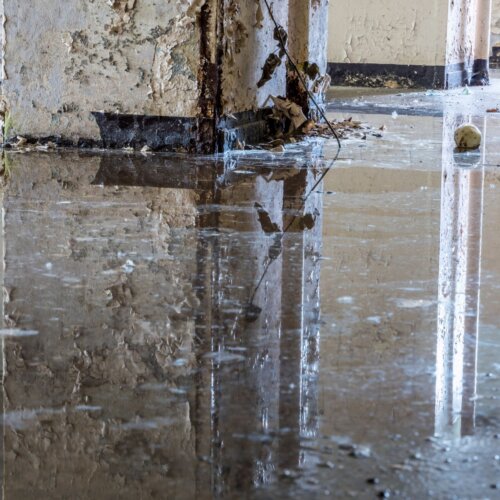 In the first hours after a hurricane, small problems can quickly become expensive ones. Ongoing rain intrusion, wet materials, and unsecured openings can continue damaging the building long after the storm has passed.
That’s why temporary protective measures are often necessary before permanent repairs begin. The key is to stay organized while you do it.
As conditions are documented and stabilized:
- Take photos and short videos before and after temporary measures
- Keep receipts for emergency work and materials
- Maintain a simple incident log with dates, observations, and actions taken
The goal is twofold: prevent avoidable additional damage and continue building a clear storm documentation file showing what happened, when, and why decisions were made.
Claims and coverage: Separate the story clearly
One of the biggest post-storm mistakes condo communities make is mixing damage categories and losing track of documentation. When photos, invoices, timelines, and repair notes become disorganized, claims often become slower and harder to support.
For flood-related damage, condo associations may be operating under the NFIP’s Residential Condominium Building Association Policy (RCBAP) framework, if the community carries that coverage.
To support a smoother claims process:
- Keep photos, invoices, and contractor notes organized by date
- Separate temporary protection work from permanent repairs
- Maintain a simple timeline of what happened and when
A well-organized storm documentation file helps your community support repair needs more clearly and reduce unnecessary disputes later.
Engineering-led recovery: Protect the long-term health of the building
A hurricane can expose vulnerabilities that were invisible in normal weather: hidden moisture pathways, envelope weak points, rooftop equipment movement, and water impacts on electrical and mechanical systems. That’s why effective recovery is about more than temporary repairs. It requires a structured, engineering-led approach that helps condo communities make clear, defensible decisions after the storm.
Building Mavens supports South Florida condo communities before and after hurricanes with licensed engineering expertise and a practical, systems-based approach to building risk. We can help:
- Review your building’s risk profile and common failure points
- Use tools like thermal scanning to help detect hidden moisture and drone inspections to safely document hard-to-reach areas
- Provide clear engineering documentation, technical support, and expert witness services if questions later arise around damage scope, causation, or repair responsibility
In South Florida, hurricane readiness for condos shouldn’t rely on luck or last-minute scrambling. Communities need clear decision-making, organized documentation, and a recovery process that protects both life safety and the long-term condition of the building.
Preparedness doesn’t eliminate risk. But it can dramatically reduce preventable damage, delays, confusion, and disputes after a storm.

FAQ: Condo Hurricane Preparedness in South Florida
An engineer can help identify vulnerable building areas before they become costly post-storm problems. A pre-season review can also support baseline documentation, maintenance planning, and overall hurricane readiness.
Confirm evacuation-zone awareness and communication channels, clarify decision-making authority, and create a storm documentation file with baseline building photos and emergency contacts.
They’re the condo’s written rules for storm protection: what owners are allowed to install, how it must meet code, how it gets approved, and who maintains it long-term.
Condos share building systems, vendors, and responsibilities, which makes hurricane planning more complex than for single-family homes.
Residents should follow local evacuation orders and leave early when evacuation is required. Dangerous conditions can begin before hurricane-force winds arrive.
Focus on safety and controlled re-entry, prevent secondary damage, document everything carefully, and begin organized recovery planning.
Because after a storm, the most important question becomes: What changed? Organized documentation helps support claims, reduce disputes, and speed decision-making.
They are often handled differently under separate insurance policies. Condo flood coverage may involve specialized NFIP frameworks like RCBAP.
As soon as it’s safe and practical, especially if there’s visible water intrusion, flooding, envelope damage, or impacts to building systems.
- Waiting too long to act on preparation or evacuation timelines
- Having unclear hurricane protection standards
- Poor documentation before and after the storm
- Letting repair scopes develop without clear prioritization
- Delaying assessment while secondary damage spreads
An engineer can help identify vulnerable building areas before they become costly post-storm problems. A pre-season review can also support baseline documentation, maintenance planning, and overall hurricane readiness.
Confirm evacuation-zone awareness and communication channels, clarify decision-making authority, and create a storm documentation file with baseline building photos and emergency contacts.
They’re the condo’s written rules for storm protection: what owners are allowed to install, how it must meet code, how it gets approved, and who maintains it long-term.
Condos share building systems, vendors, and responsibilities, which makes hurricane planning more complex than for single-family homes.
Residents should follow local evacuation orders and leave early when evacuation is required. Dangerous conditions can begin before hurricane-force winds arrive.
Focus on safety and controlled re-entry, prevent secondary damage, document everything carefully, and begin organized recovery planning.
Because after a storm, the most important question becomes: What changed? Organized documentation helps support claims, reduce disputes, and speed decision-making.
They are often handled differently under separate insurance policies. Condo flood coverage may involve specialized NFIP frameworks like RCBAP.
As soon as it’s safe and practical, especially if there’s visible water intrusion, flooding, envelope damage, or impacts to building systems.
- Waiting too long to act on preparation or evacuation timelines
- Having unclear hurricane protection standards
- Poor documentation before and after the storm
- Letting repair scopes develop without clear prioritization
- Delaying assessment while secondary damage spreads
An engineer can help identify vulnerable building areas before they become costly post-storm problems. A pre-season review can also support baseline documentation, maintenance planning, and overall hurricane readiness.
Confirm evacuation-zone awareness and communication channels, clarify decision-making authority, and create a storm documentation file with baseline building photos and emergency contacts.
They’re the condo’s written rules for storm protection: what owners are allowed to install, how it must meet code, how it gets approved, and who maintains it long-term.
Condos share building systems, vendors, and responsibilities, which makes hurricane planning more complex than for single-family homes.
Residents should follow local evacuation orders and leave early when evacuation is required. Dangerous conditions can begin before hurricane-force winds arrive.
Focus on safety and controlled re-entry, prevent secondary damage, document everything carefully, and begin organized recovery planning.
Because after a storm, the most important question becomes: What changed? Organized documentation helps support claims, reduce disputes, and speed decision-making.
They are often handled differently under separate insurance policies. Condo flood coverage may involve specialized NFIP frameworks like RCBAP.
As soon as it’s safe and practical, especially if there’s visible water intrusion, flooding, envelope damage, or impacts to building systems.
- Waiting too long to act on preparation or evacuation timelines
- Having unclear hurricane protection standards
- Poor documentation before and after the storm
- Letting repair scopes develop without clear prioritization
- Delaying assessment while secondary damage spreads
About the Author
 Scott Harvey-Lewis is the owner and President of Building Mavens, a leading Milestone Inspections and Engineering Consulting firm right here in Palm Beach Gardens, Florida. With over 18 years of experience as a forensic engineer, Scott brings a wealth of knowledge and a passion for ensuring the safety and integrity of buildings. He holds a master’s degree in civil engineering from the University of Florida and a bachelor’s degree in civil engineering from the Florida Institute of Technology. He is also a Licensed Professional Engineer in Florida and a LEED Accredited Professional.
Scott’s background is extensive, covering both public and private projects. He’s highly skilled in structural engineering design, construction oversight, and forensic analysis. This includes investigating structural failures, construction defects, and code compliance – all critical to maintaining safety and adhering to building codes. Beyond his investigative work, Scott is also an accomplished design engineer, contributing to various architectural elements from building envelope systems to designs for a wide range of structures. From the initial concept to the final inspection, Scott is dedicated to providing innovative and compliant engineering solutions.
You can contact me directly for more information: info@buildingmavens.com.